
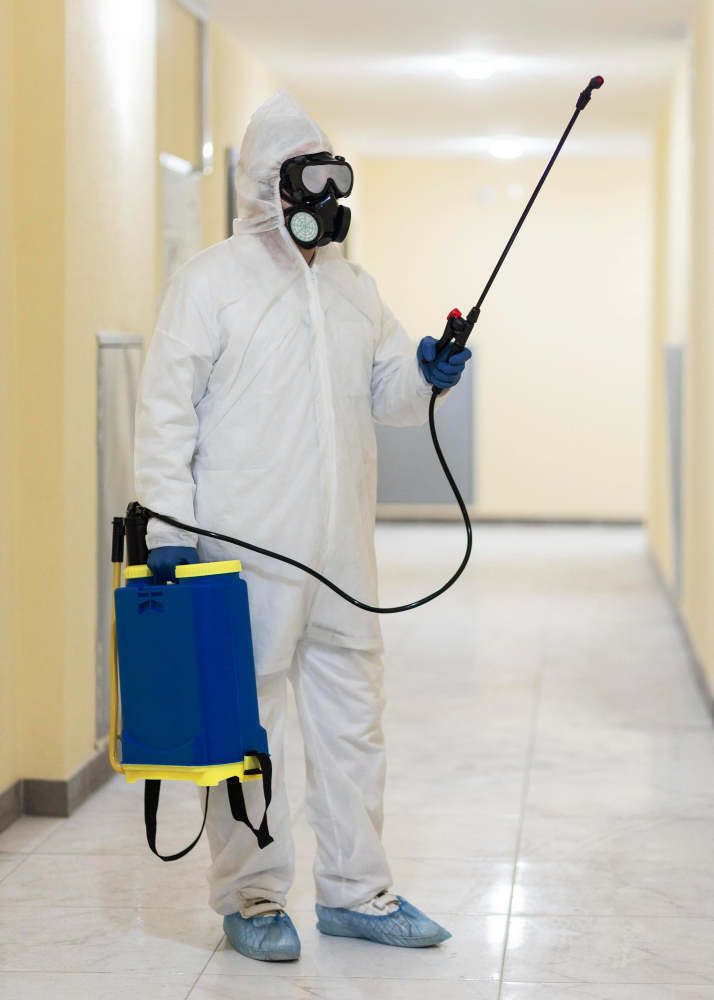
Discovering effective snake repellent in Shepparton is a common concern for homeowners aiming to protect their families and pets. This page provides a direct answer: the most reliable snake repellent strategy involves habitat modification and removing attractants, as commercial repellents are often ineffective. By maintaining your yard, eliminating snake food sources like rodents, and sealing entry points to your home, you create an environment that naturally deters snakes. For comprehensive property assessments and management of the pests that attract snakes, professional services offer a complete solution. This information helps Shepparton residents implement proven methods for snake deterrence and safety.
Snake Repellent in Shepparton: A Resident’s Handbook for a Safer Property
Living in the beautiful Goulburn Valley, with Shepparton at its heart, means sharing our space with some of Australia’s native wildlife. While we appreciate the local fauna, a close encounter with a snake in your backyard or, even worse, inside your home, can be a genuinely unnerving experience. It’s perfectly natural to seek out the best snake repellent in Shepparton to ensure your property is a safe haven for your family and pets. The good news is that you can take many practical steps to make your home and garden far less appealing to these slithery visitors.
Understanding Shepparton’s Common Snakes
Before we delve into repellents, it’s helpful to know which snakes you might encounter in the Shepparton area. Knowledge is the first step toward effective prevention. The two most common venomous snakes in our region are:
- Eastern Brown Snake (Pseudonaja textilis): Known for their speed and nervous temperament, these snakes are active during the day. They thrive in a variety of habitats, from open grasslands to urban areas, often seeking out mice and rats.
- Tiger Snake (Notechis scutatus): Often found near water sources like creeks, rivers, and dams, Tiger Snakes are adaptable and can be found in suburban gardens. They also prey on rodents, frogs, and other small animals.
It is important to remember that snakes do not actively seek out humans. Most encounters happen when a snake is startled or feels cornered. Their presence on your property usually means they are searching for one of three things: food, water, or shelter. The key to effective snake deterrence is to remove these attractants.
The Ineffectiveness of Commercial Snake Repellents
Many products on the market claim to be the ultimate snake repellent in Shepparton. These often come in the form of ultrasonic devices, solar-powered stakes that vibrate, or chemical powders and pellets. However, independent scientific research and advice from wildlife authorities consistently show that these commercial repellents have little to no proven effect on deterring snakes.
According to a study referenced by the Victorian Wildlife service, snakes lack external ears and hear by sensing vibrations through their jawbones. While vibrating devices aim to mimic predators, snakes quickly learn that the consistent vibration poses no real threat and will ignore it. Similarly, chemical repellents like mothballs or sulfur-based powders are not effective and can be harmful to pets, children, and the local environment. Relying on these products can create a dangerous false sense of security, causing residents to neglect the methods that actually work.
Proven Methods for Snake Deterrence on Your Property
The most effective repellent isn’t a product you buy, but a series of actions you take to modify your property. By making your yard inhospitable to snakes, you encourage them to move on elsewhere.
1. Maintain Your Yard and Garden
A tidy yard is your first line of defense. Snakes are secretive creatures that love cover.
- Keep Grass Short: Mow your lawns regularly. Short grass exposes snakes to predators like birds and makes them feel vulnerable, encouraging them to stay away.
- Clear Debris: Remove piles of rocks, timber, sheets of corrugated iron, and leaf litter. These are perfect hiding spots for snakes and the rodents they hunt.
- Manage Woodpiles: If you have a firewood stack, store it neatly and raised off the ground.
- Trim Shrubbery: Keep bushes and shrubs trimmed, especially low-hanging branches that provide cover right up to your house.
- Fill Holes: Look for and fill any holes or burrows made by other animals, as snakes will readily use these for shelter.
2. Eliminate Snake Food and Water Sources
If there’s no buffet, the guests won’t stay. Snakes are attracted to properties with an abundant food supply.
- Rodent Control: This is perhaps the most significant step. A healthy population of mice and rats is a dinner bell for snakes. Implementing effective rodent control is a powerful snake deterrent. This might involve setting traps, using baits carefully, or seeking professional pest control assistance.
- Secure Chicken Coops & Aviaries: Protect your chickens and birds. Use fine-gauge wire mesh (1cm x 1cm or smaller) on all sides of the enclosure, including the floor or dig it into the ground, to prevent snakes from getting in to steal eggs or chicks.
- Bird Feeder Management: Be aware that spilled bird seed attracts rodents, which in turn attract snakes. Keep the area under feeders clean.
- Pet Food: Do not leave pet food bowls outside overnight.
- Water Sources: Fix leaky outdoor taps and remove any sources of standing water that might attract prey animals like frogs and rodents.
3. Install Physical Barriers
Preventing access is a direct way to keep snakes out of specific areas or your home itself.
- Snake-Proof Fencing: While a significant investment, a properly installed snake fence can be highly effective for protecting play areas or entire yards. The fence should be made of a smooth material (like sheet metal or fine mesh), be at least a meter high, dug 30cm into the ground, and angled outwards at the top.
- Seal Your Home: Carefully inspect the exterior of your house for any gaps or cracks. Seal openings around pipes, vents, and under doors. A small snake can fit through a surprisingly tiny gap. Use weather strips on the bottom of doors to close the space.
What to Do If You See a Snake in Shepparton
Even with the best prevention, you may still encounter a snake. Your safety is the top priority.
1. Do Not Panic: Remain calm and still. The snake is likely more scared of you.
2. Back Away Slowly: Give the snake plenty of space and allow it to move away on its own.
3. Secure the Area: Keep children and pets far away from the snake. If it goes inside a room, close the door and place a towel along the bottom to contain it.
4. Do Not Attempt to Catch or Kill It: Trying to handle or harm the snake is the most common cause of snakebites. All native snakes in Victoria are protected by law under the Wildlife Act 1975.
5. Call a Professional: Contact a licensed snake catcher to safely remove and relocate the animal.
Shepparton Area Local Resources
| Resource | Contact / Link | Purpose |
|---|---|---|
| Victorian Poisons Information Centre | 13 11 26 | 24/7 specialist advice in the event of a snakebite. |
| Goulburn Valley Health (Shepparton) | gvhealth.org.au | Primary local hospital for emergency medical treatment. |
| Wildlife Victoria | (03) 8400 7300 | Emergency response service for sick, injured, or orphaned wildlife, and can assist with finding a local snake catcher. |
| Greater Shepparton City Council | greatershepparton.com.au | Information on local by-laws regarding property maintenance and animal management. |
Frequently Asked Questions
| Question | Answer |
|---|---|
| Do certain plants act as a snake repellent? | No. Despite common beliefs about plants like marigolds or lemongrass, there is no scientific evidence that any plant effectively repels snakes. In fact, dense plantings can provide cover for snakes. |
| Is it true that having a dog or cat will keep snakes away? | While pets can sometimes deter snakes, they are also at high risk of being bitten. A snakebite can be fatal to cats and dogs. It is not a reliable or safe method for snake control. |
| When is snake season in the Shepparton area? | Snakes are most active during the warmer months, typically from spring (September) through autumn (April). They are often seen basking in the sun in the mornings to warm up. |
| Can I use a chemical spray as a snake repellent in Shepparton? | No effective and registered chemical spray for repelling snakes exists. Such products can be harmful to the environment and are not a proven solution for keeping snakes off your property. |
Professional Pest Management: A Holistic Approach
While the DIY methods listed above form the foundation of keeping your property unattractive to snakes, sometimes a more comprehensive approach is needed. The link between rodents and snakes is undeniable. If you have a persistent problem with mice or rats, you will continue to attract their predators.
This is where a professional assessment can make all the difference. At Jason’s Pest Control, we understand the Shepparton environment and the specific challenges homeowners face. Our focus is on integrated pest management, which means we don’t just treat the symptoms; we address the root cause of your pest problems.
Our experienced technicians can conduct a thorough inspection of your property to identify not just snake-friendly habitats but also the underlying pest issues—like rodents—that are attracting them in the first place. We can develop a targeted and safe rodent control program that eliminates the snakes’ primary food source, making your property fundamentally less appealing to them. This is the most professional and effective form of snake repellent in Shepparton.
If you’re concerned about snakes and want peace of mind, don’t rely on ineffective gimmicks. Take a proactive approach. For a complete property assessment and to manage the pests that attract snakes, contact Jason’s Pest Control today. Let us help you make your Shepparton home safer for your entire family.
Call Jason’s Pest Control for service in Shepparton and the surrounding area at 1800 599 699.