
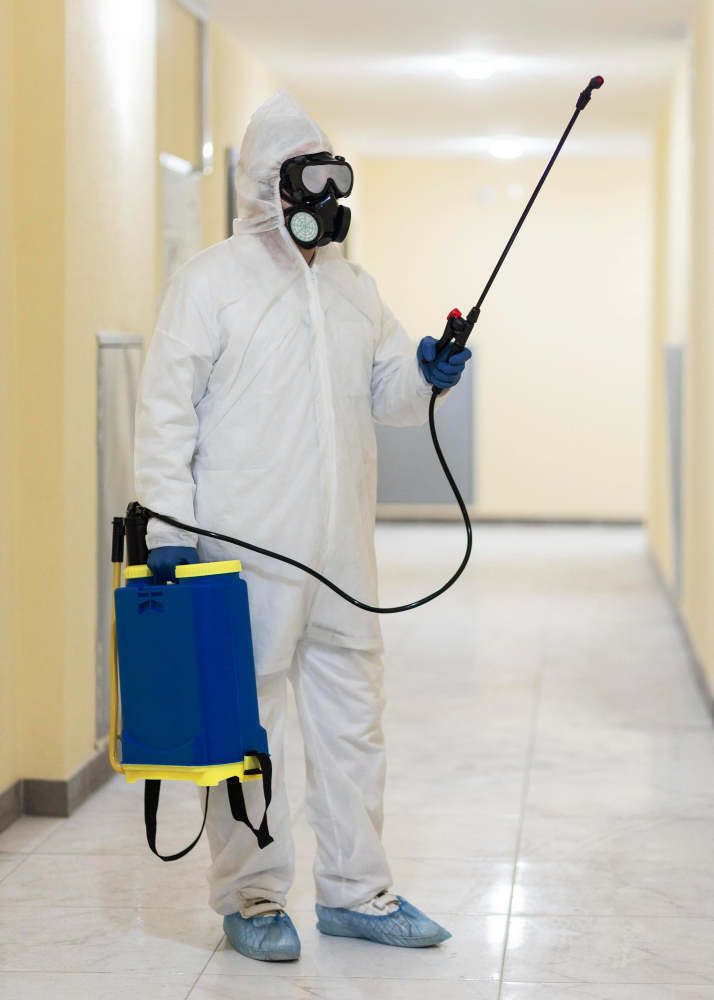

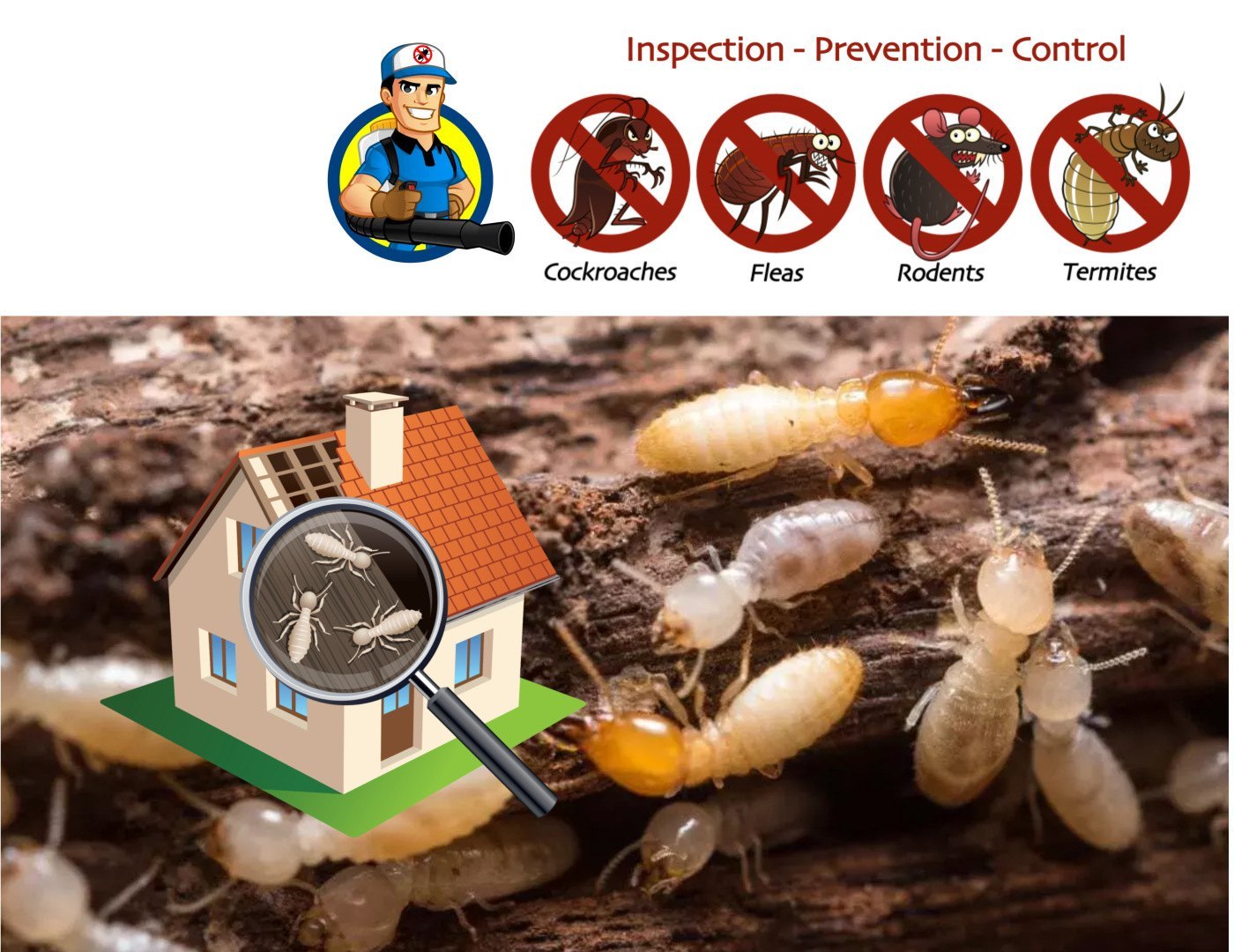
If you own a home in Shepparton or the wider Goulburn Valley, termites are one of the biggest threats you probably don’t think about — until it’s too late. These tiny insects cause billions of dollars in structural damage across Australia every year, and the worst part? Most homeowners don’t discover the problem until significant harm has already been done.
That’s why regular termite maintenance in Shepparton isn’t just a “nice to have” — it’s essential home care. Let’s break down exactly what’s at risk, what good termite management looks like, and how you can keep your property protected all year round.
Why Shepparton Homes Are Particularly Vulnerable to Termites
Shepparton’s warm summers, clay-rich soils, and proximity to irrigation channels and waterways create near-perfect conditions for termite colonies to thrive. Add to that the abundance of older timber-framed homes across the region, and it’s clear why termite activity here is a genuine concern for local homeowners.
Termites — particularly the Coptotermes and Schedorhinotermes species common in Victoria — are subterranean. They travel underground, entering homes through the tiniest cracks in concrete slabs, through weep holes, or along timber in direct soil contact. By the time you notice mud tunnels, hollow-sounding floorboards, or bubbling paint, a colony may have been quietly eating through your home’s framework for months.
According to Beyond Pest Management research cited by the Australian Government, termite infestations affect approximately one in four Australian homes at some point, making Australia one of the most termite-affected countries in the world.
What Does a Professional Termite Maintenance Program Include?
One of the most common misconceptions is that termite treatment is a one-off job. The reality is that effective termite protection is an ongoing process — and for good reason. A professional termite maintenance program typically covers:
- Annual termite inspections — a licensed technician does a full assessment of your property, checking sub-floor areas, roof voids, fences, garden beds, and timber structures
- Monitoring station installation and checks — in-ground bait stations around your property perimeter detect activity early and intercept foraging termites before they reach your home
- Moisture and conducive condition reports — identifying areas like leaking pipes, poor drainage, or timber-to-soil contact that attract termite colonies
- Preventative chemical treatments — soil treatments or physical barriers applied to vulnerable zones around the building
- Follow-up treatments — if monitoring stations detect activity, targeted treatments are applied promptly to protect your home
This layered approach is far more effective than any single treatment, and it gives homeowners genuine peace of mind knowing their property is being watched year-round.
The Real Cost of Ignoring Termite Maintenance
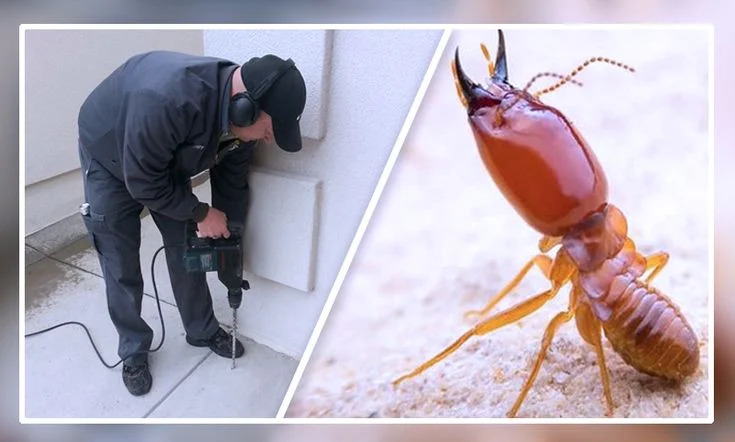
Here’s a figure that should get your attention: the average cost of termite damage to an Australian home is estimated between $10,000 and $50,000, and in severe cases, repairs can run well over $100,000. Standard home insurance policies generally do not cover termite damage, which means the financial burden falls entirely on the homeowner.
Contrast that with the relatively modest cost of a professional termite inspection and treatment service carried out annually, and the value proposition becomes very clear. Prevention is always cheaper than a cure — especially when we’re talking about the structural integrity of your home.
Warning Signs You Shouldn’t Ignore
Even between scheduled inspections, it pays to keep an eye out for early indicators of termite activity around your property. Common warning signs include:
- Mud tubes running along your foundation walls, piers, or plumbing
- Hollow or papery-sounding timber when you knock on floorboards, door frames, or skirting boards
- Tight-fitting doors or windows that suddenly become difficult to open or close
- Discarded wings near windowsills or door frames, especially after rain (a sign termites have swarmed)
- Cracked or bubbling paintwork on timber surfaces without an obvious cause
- Sagging floors or ceilings in extreme cases
If you spot any of these signs, don’t wait for your next scheduled inspection. Contact a licensed pest inspection specialist promptly to assess the situation before further damage occurs.
Why Local Knowledge Matters in Termite Control

Not all pest control services are equal — and when it comes to termites, local expertise genuinely matters. The termite species active in Shepparton, the specific soil conditions, local vegetation, and even irrigation infrastructure in the region all influence how and where termites travel and nest.
A local Shepparton pest control provider understands these nuances firsthand. They know which suburbs and property types carry higher risk, which treatments work best in our specific soil type, and how to tailor an inspection and management program that’s genuinely suited to homes in this part of Victoria.
At Jason’s Pest Control, our technicians are experienced in managing termite risk across Shepparton, Mooroopna, Congupna, Murchison, and surrounding areas. We use industry-approved inspection methods, including moisture meters, thermal imaging, and Termatrac detection technology, to find termite activity that’s invisible to the naked eye.
Choosing the Right Termite Inspection Service in Shepparton
When selecting a termite inspection service in Shepparton, here’s what to look for:
- A licensed technician — make sure the business holds the appropriate pest management licences for Victoria
- Detailed written reports — a quality inspection should provide a thorough written report, including diagrams, photos, and clear recommendations
- Compliance with AS 3660 — professional termite inspections should comply with the Australian Standard for termite management
- Transparent pricing — no hidden call-out fees or vague quotes
- Ongoing monitoring options — a good provider will offer a structured maintenance program, not just a one-time visit
You can also read more about termite biology and species identification via the Wikipedia article on Termites as a helpful background reference.
Protect Your Home — Book a Termite Inspection Today
Your home is likely your most valuable asset. Don’t leave it unprotected against one of Australia’s most destructive pests. Whether you’re due for your annual inspection, have noticed something suspicious around your property, or you’ve just purchased a home in Shepparton and want to know what you’re dealing with, the team at Jason’s Pest Control is ready to help.
We offer professional termite inspection, treatment, and maintenance services across the Shepparton region, with honest advice, transparent pricing, and a genuine commitment to protecting your home. Call us now on 1800 599 699 or visit our pest control services page to learn more about how we can help. You can also contact us online to book your free phone consultation with one of our licensed technicians.
Q1: How often should I get a termite inspection in Shepparton?
A. Most pest management experts and Australian Standards (AS 3660) recommend a professional termite inspection at least once every 12 months. If your property has had previous termite activity or is in a high-risk location near water or dense vegetation, inspections every 6 months may be advisable.
Q2: What is the difference between a termite inspection and termite treatment?
A. A termite inspection is a thorough assessment of your property to detect current or potential termite activity. A termite treatment is a targeted intervention — such as a chemical barrier, baiting system, or direct timber treatment — applied once activity or risk has been identified. A maintenance program combines both, ensuring your home is inspected regularly and treated as needed.
Q3: Are termites active year-round in Shepparton?
A. Yes. While termite swarming and above-ground activity are more noticeable during the warmer months (typically October to March), termite colonies remain active year-round in Victoria. Subterranean species continue foraging underground even during winter, which is why consistent monitoring is important regardless of the season.
Q4: Does home insurance cover termite damage in Australia?
A. In most cases, standard Australian home insurance policies do not cover termite damage, as it is considered a preventable pest issue rather than a sudden or accidental event. This makes professional termite maintenance and regular inspections even more important for protecting your financial investment.
Q5: What attracts termites to a property?
A. The main attractants include moisture (leaking pipes, poor drainage, or pooled water near foundations), timber in direct contact with soil (garden sleepers, fence posts, firewood stacks), inadequate sub-floor ventilation, and dense garden mulch close to the home. A termite inspection will identify and report on all conducive conditions specific to your property.
Q6: How long does a professional termite inspection take?
A. A thorough termite inspection of a standard residential property typically takes between 1.5 and 2.5 hours, depending on the size and complexity of the home. This includes inspection of sub-floor areas, roof voids, internal rooms, external perimeter, and any outbuildings.
Q7: Can I treat termites myself?
A.While some DIY products exist, they are generally not effective against established termite colonies and may even cause colonies to disperse — spreading the infestation further through your home. Professional pest technicians use industry-approved methods and products that are more effective, targeted, and safe for your family and pets.