


One pest sighting. That’s often all it takes — one customer spots a cockroach in your café, a rodent near your warehouse dock, or an ant trail across a break room bench, and suddenly you’re dealing with a social media post, a bad review, and possibly a call from Food Standards Australia.
The reality is, commercial pest problems in Shepparton aren’t just unpleasant — they’re a genuine business risk. And by the time you can see them, they’ve usually been there a while.
Whether you run a restaurant, a medical clinic, a childcare centre, or a food processing facility in the Goulburn Valley region, having a proactive commercial pest control plan in place isn’t a luxury — it’s simply part of running a responsible business.
The Pest Risks Shepparton Businesses Actually Face
Shepparton’s climate and its status as a major agricultural hub make it particularly susceptible to pest pressure. Warm summers, proximity to waterways like the Goulburn River, and the sheer volume of food production and storage in the region create ideal conditions for pests to thrive.
The most common commercial pest problems in Shepparton include:
- Rodents (mice and rats) — damage electrical wiring, contaminate stock, and are a significant food safety risk. They’re especially common in warehouses, food production facilities, and hospitality businesses
- Cockroaches — breed rapidly in warm, humid conditions and spread bacteria across surfaces and food prep areas
- Ants — a constant nuisance in commercial kitchens, cafes, and retail environments, particularly during warmer months
- Stored product pests — weevils, moths, and beetles that target grains, flour, and packaged goods in storage
- Wasps and bees — a real risk for outdoor dining areas, schools, and childcare facilities during spring and summer
- Spiders — including redbacks, which are common across Victoria and pose a real risk to staff in storage and maintenance areas
The challenge with commercial properties is scale. A pest problem that might be contained in a residential home can spread quickly across a warehouse, a multi-floor office, or a food production facility.
Why Reactive Pest Control Isn’t Enough for Business
A lot of business owners take a reactive approach — call someone when you see something. The problem with that strategy is what you don’t see.
Rodents are nocturnal and actively avoid humans. Cockroach populations are estimated to be roughly 10 times larger than what’s visible. By the time pests are obvious, the infestation is already well established, and the cost to remedy it is significantly higher than prevention would have been.
The Compliance Angle
For businesses in food handling, healthcare, aged care, childcare, and hospitality, pest management isn’t just good practice — it’s a legal obligation. Under the Food Standards Australia New Zealand (FSANZ) food safety standards, businesses are required to have systems in place to prevent pest access and contamination.
A failure during an inspection can result in:
- Immediate shutdown orders
- Fines and infringement notices
- Loss of food handling licences
- Reputational damage that’s hard to recover from
Having documented, regular pest treatments on file is one of the simplest ways to demonstrate compliance during a council or regulatory inspection.
What Professional Commercial Pest Control Actually Involves
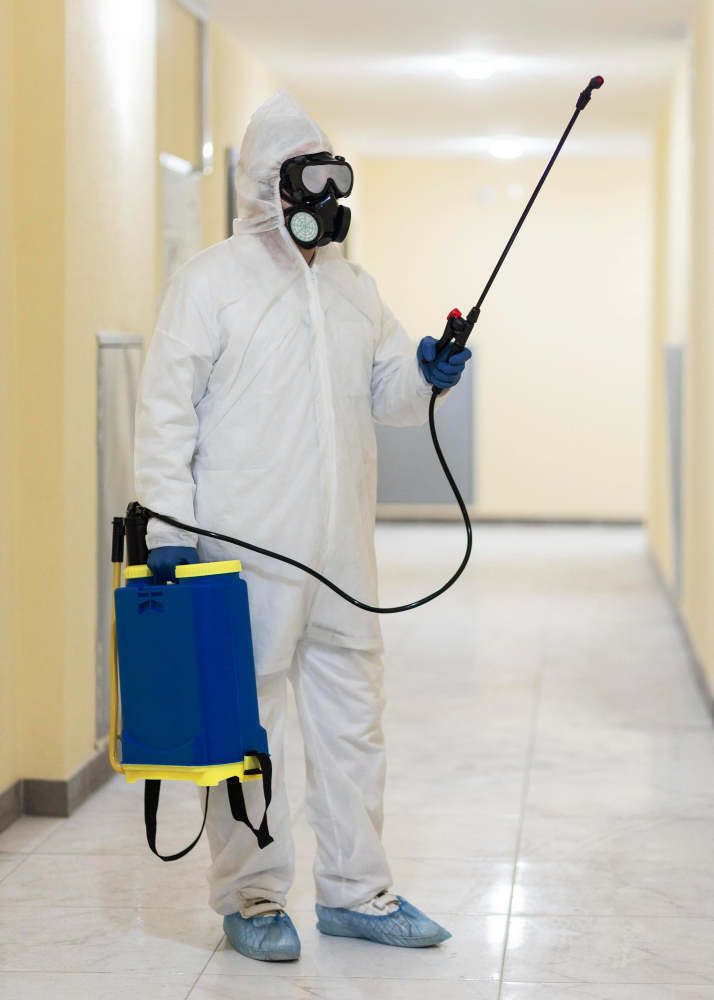
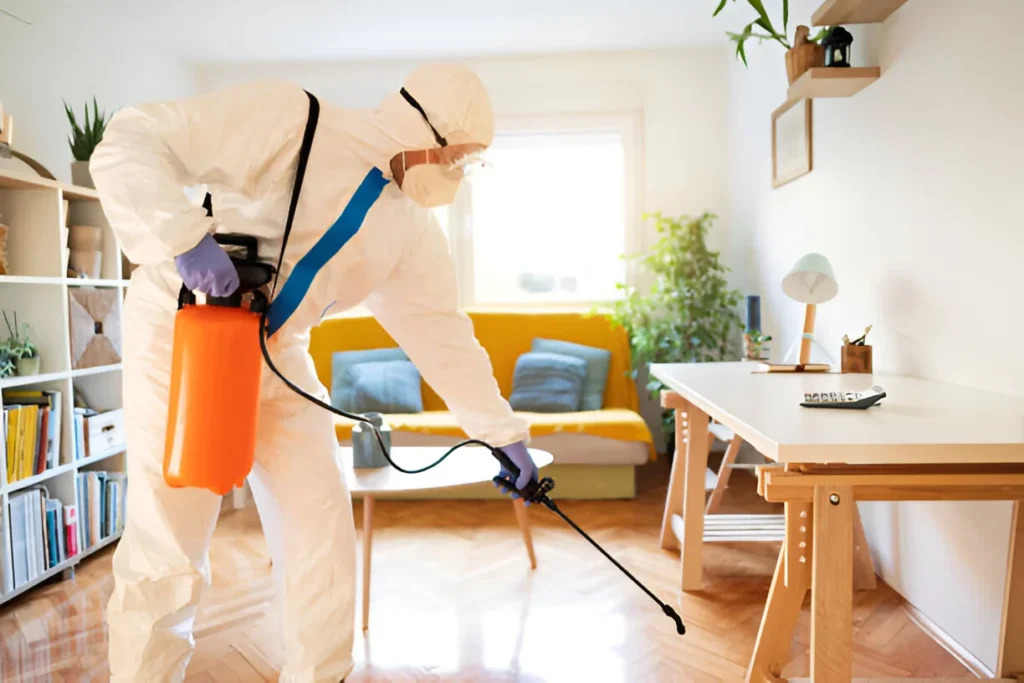
This isn’t a bloke with a spray can. Professional commercial pest control in Shepparton follows a structured process tailored to the specific type of business, its layout, and the pest risks relevant to that environment.
Initial Inspection and Risk Assessment
Before any treatment, a licensed technician will conduct a thorough inspection — identifying existing activity, entry points, harbourage areas, and any hygiene or structural factors contributing to pest risk. This informs a targeted treatment plan rather than a one-size-fits-all spray.
Integrated Pest Management (IPM)
Modern commercial pest control uses an Integrated Pest Management approach, which combines physical controls (sealing entry points, removing harborage), biological awareness, and targeted chemical treatments only where necessary. According to Wikipedia’s overview of Integrated Pest Management, IPM reduces reliance on pesticides while achieving better long-term outcomes, which is particularly important in food-handling environments.
Ongoing Monitoring and Scheduled Servicing
A single treatment rarely provides lasting protection. Effective commercial pest management involves regular monitoring visits — often monthly or quarterly — along with detailed service reports you can keep on file for compliance purposes.
Local Knowledge Makes a Real Difference
Jason’s Pest Control is locally based and services businesses across Shepparton and the broader Goulburn Valley region. That local experience matters. The team understands seasonal pest patterns specific to central Victoria, the types of commercial buildings common to the area, and the industries — agriculture, food processing, hospitality — that face the highest pest pressure locally.
Beyond commercial services, Jason’s also offers residential pest control and emergency pest control services for urgent situations — so whether it’s a planned maintenance program or an unexpected infestation that needs immediate attention, the team is equipped to help.
Don’t Wait for a Problem — Get Ahead of It
The businesses that handle pest issues best are the ones that never let them become incidents in the first place. A properly managed pest control program costs a fraction of what a single infestation remediation, compliance breach, or reputation hit will set you back. Call Jason’s Pest Control on 1800 599 699 or book a free consultation online to discuss a commercial pest management plan tailored to your Shepparton business. Licensed, local, and genuinely thorough — this is pest control you can actually rely on.
Q1: How often should a commercial property be treated for pests?
A.Most commercial properties require pest management every 1–3 months, depending on the industry and risk level. Food businesses typically require more frequent servicing than, say, a small office. Your technician will recommend an appropriate schedule after the initial inspection.
Q2: Do I need to close my business during treatment?
A.In most cases, no. Professional commercial treatments are designed to minimise disruption and can often be scheduled outside business hours — early morning, evenings, or weekends — to avoid impact on operations.
Q3: What documentation will I receive for compliance purposes?
A.Jason’s Pest Control provides detailed service reports after every visit, including what was found, what was treated, and any recommendations. These records are essential for food safety audits and regulatory inspections.
Q4: Are the treatments safe around food, staff, and customers?
A.Yes. Licensed technicians use treatments approved for use in commercial environments, including food-handling areas, and follow all relevant Australian standards for safe application. You’ll be informed of any preparation required before treatment.
Q5: Can you help if we already have an active infestation?
A.Absolutely. Jason’s also offers emergency pest control services for situations that can’t wait. Contact the team directly on 1800 599 699 for urgent assistance.
Q6: Do you service businesses outside of Shepparton?
A. Yes — Jason’s Pest Control services the wider Goulburn Valley region, including Mooroopna, Congupna, Murchison, Numurkah, and surrounds. Check the service areas page for full coverage details.