

Natural Pest Control Solutions in Shepparton

If you’ve ever hesitated before spraying chemicals around your kitchen or backyard, you’re not alone. More Shepparton families are turning to natural pest control to keep ants, spiders, and rodents away without filling their homes with harsh residue. It’s a fair call — especially if you’ve got kids, pets, or veggie gardens you’d rather not douse in pesticide.
This guide walks through what actually works, which home remedies hold up in real life, and when it’s time to bring in a professional organic pest control in Shepparton team instead of going it alone.
Why Shepparton Homeowners Are Choosing Natural Pest Control
The Goulburn Valley’s warm summers and irrigated properties create ideal conditions for pests — which is exactly why so many locals are rethinking how they treat them. Natural methods focus on prevention and low-toxicity solutions rather than blanket spraying.
Done properly, natural pest control aims to:
- Reduce what’s attracting pests in the first place
- Interrupt breeding and nesting cycles
- Limit chemical residue on surfaces kids and pets touch
- Support a genuinely healthier home environment
Public health guidance from NSW Health confirms that sanitation and moisture control are the biggest factors in keeping pests out of Australian homes — often more important than the treatment itself.
Common Shepparton Pests and Natural Approaches
Ants
Ants follow scent trails to food and water. Wiping down benches and sealing entry points is your first line of defence against home invasions.
Cockroaches
Warm, damp spots under sinks and behind appliances are cockroach magnets. Better ventilation and fixing leaks go a long way.
Spiders
Spiders turn up where their food source does. Fewer insects generally means fewer spiders — though spider control services may still be needed for redbacks or huntsman activity around the home.
Mosquitoes
Standing water in pot plants, gutters, and birdbaths is a mosquito breeding ground number one, particularly after Shepparton’s summer storms.
Rodents
Mice and rats respond best to exclusion — sealing gaps, securing bins, and storing food properly — rather than poison alone.
The Four Principles Behind Effective Natural Pest Control
- Prevention first – sealing cracks, repairing screens, and closing gaps beats treating an active infestation every time.
- Habitat reduction – remove food, water, and shelter, and most pests move on.
- Low-toxicity treatments – plant-based products and essential oils when intervention is genuinely needed.
- Regular monitoring – catching early signs before a few ants become a colony.
Home Remedies Worth Trying
Some DIY methods genuinely help with minor pest activity:
- Vinegar and citrus – disrupts ant scent trails and repels some crawling insects
- Diatomaceous earth – a food-grade powder that damages insect exoskeletons naturally
- Essential oils – diluted peppermint, eucalyptus, or tea tree oil deters several common pests
- Baking soda mixtures – can affect cockroach activity, but keep well away from pets
When DIY Isn’t Enough
Home remedies are great for maintenance, but they rarely fix an established infestation. Watch for these warning signs:
- Pests reappearing within days of treatment
- Scratching or movement inside walls or ceilings
- Droppings, shed skins, or nesting material
- Bites, stings, or visible property damage
If you’re seeing any of these, it’s time to call in a proper pest inspection service in Shepparton rather than reaching for another spray bottle.
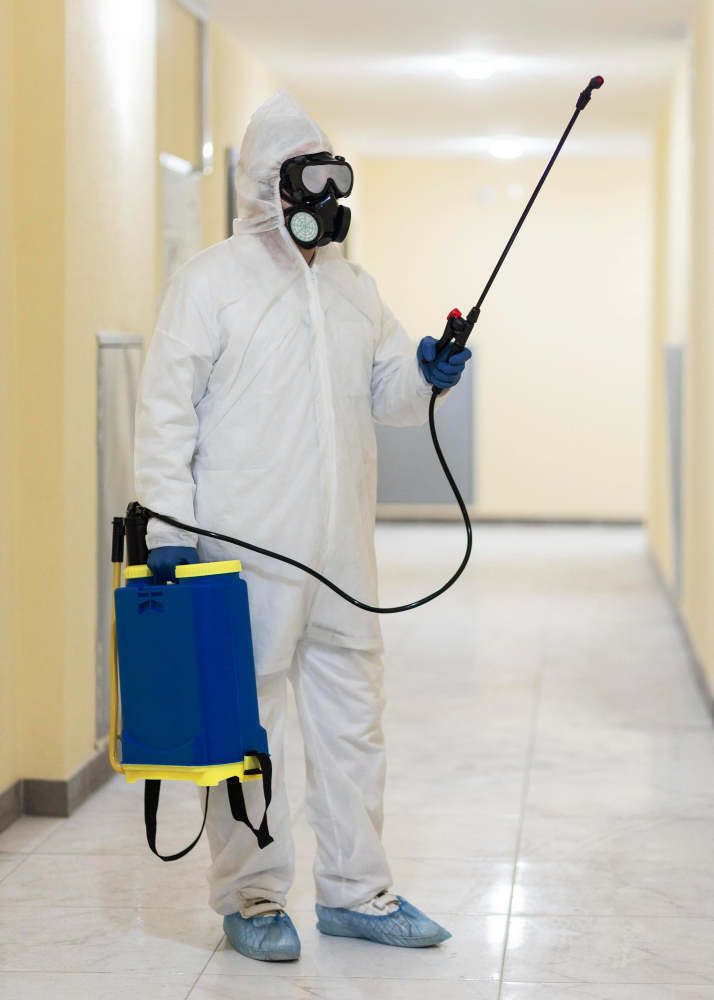
What Professional Organic Pest Control Actually Involves
Professional treatment goes well beyond supermarket products. At Jason’s Pest Control, our approach includes:
- Targeted treatments based on pest behaviour, not blanket spraying
- Structural exclusion to find entry points homeowners typically miss
- Child- and pet-safe applications chosen with your household in mind
This is where DIY and professional care work together — you handle daily prevention, and our team from residential pest control in Shepparton manages the trickier structural and infestation-level work.
Building a Pest-Resistant Home, Naturally
Small habits make a real difference over time:
- Store food in sealed containers
- Take rubbish out before it attracts insects
- Fix dripping taps and leaks promptly
- Trim gardens back from external walls
- Reduce clutter both indoors and out
These practices, combined with occasional professional attention, keep most Shepparton homes pest-free year-round without heavy chemical use.
Natural Pest Control for Local Businesses Too
It’s not just homes — Shepparton cafes, retail stores, and warehouses benefit from lower-toxicity approaches as well, particularly where food handling or public access is involved. Our commercial pest control for business in Shepparton service applies the same prevention-first thinking to workplaces.
When to Call the Professionals
Natural methods work best paired with expert assessment. A licensed technician can correctly identify the pest species, locate the actual breeding source, and apply treatment safely — something that’s genuinely hard to get right from a Bunnings shelf. Integrated pest management, as outlined by the US EPA, backs up this same prevention-plus-targeted-treatment approach globally.
If pests keep coming back despite your best efforts, or you’re dealing with an emergency like a wasp nest or snake sighting, don’t wait — emergency pest control in Shepparton is available for exactly these moments.
A Healthier Home Starts With Smarter Choices
Natural pest control isn’t about doing nothing — it’s about doing the right things first and knowing when to call for backup. Combined with proper monitoring and, when needed, professional organic treatment, it’s a genuinely effective way to protect your Shepparton home and family.
Ready for a pest-free home without the harsh chemicals? Contact Jason’s Pest Control today for a free phone consultation with our licensed technicians, or explore our full range of pest control services across Shepparton and the Goulburn Valley.
Q1: Is natural pest control effective for serious infestations?
A1: It helps with prevention, but established infestations usually need professional treatment.
Q2: Are organic pest control methods safe for kids and pets?
A2: Yes, when applied correctly by a trained technician.
Q3: How long before I see results from natural pest control?
A3: Most households notice improvement within a few weeks of consistent prevention.
Q4: Can natural and professional pest control be combined?
A4: Yes — this combination usually delivers the best long-term results.
Q5: Does Jason’s Pest Control offer organic treatments in Shepparton?
A5: Yes, we provide eco-friendly, family-safe pest control across Shepparton and surrounding areas.
Q6: When should I call a pest control expert instead of using home remedies?
A6: If pests return repeatedly or you notice activity inside walls or ceilings.