

Ant infestations become far more common during warmer months, making summer one of the most challenging seasons for homeowners. This guide explains how to stop ant infestations during summer by focusing on prevention, early warning signs, and effective treatment methods. From understanding why ants enter homes to identifying food sources, entry points, and nesting areas, this article offers practical steps to reduce recurring infestations. It also explains when professional pest control becomes necessary to eliminate colonies and prevent long-term problems inside Australian homes.
Why Ant Problems Increase During Summer
Summer creates ideal conditions for ants. Warm temperatures increase their activity, while dry weather prompts colonies to search for food and moisture inside homes. Kitchens, bathrooms, and outdoor entertaining areas become prime targets.
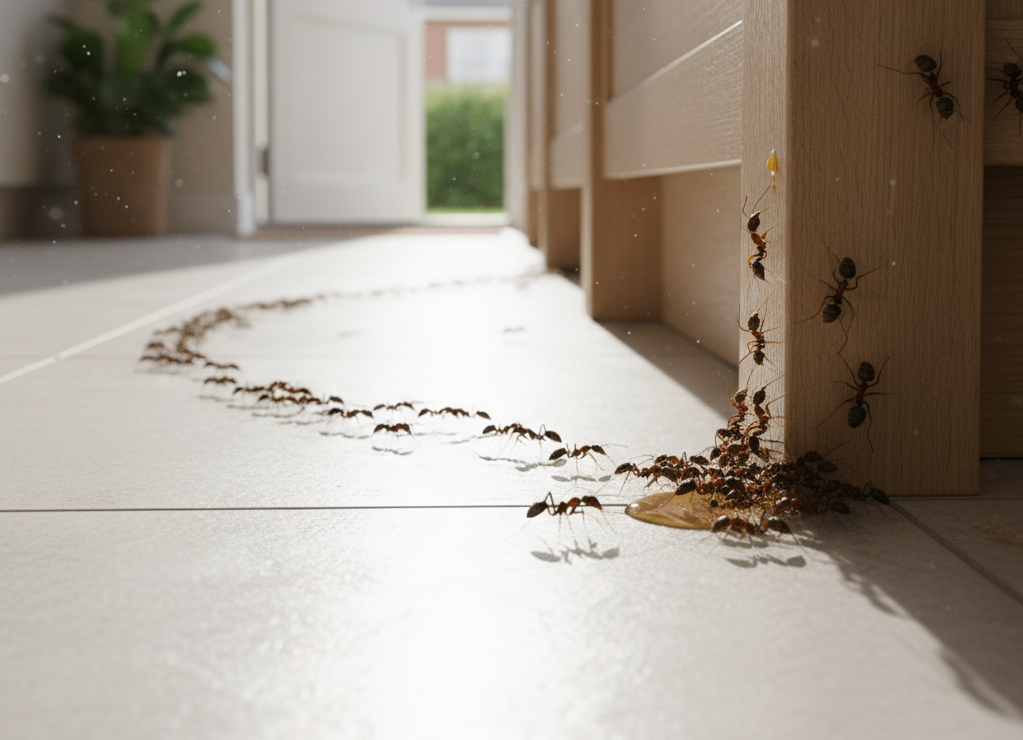
Ants operate using scent trails. Once one ant finds a food source, others quickly follow, turning a minor issue into a widespread infestation within days.
Common Ant Species Found in Australian Homes
Knowing the type of ant helps determine the best control approach.
Common household ants include:
- Black house ants
- Coastal brown ants
- Argentine ants
- Sugar ants
- Meat ants
Each species has different nesting habits, which affect how infestations spread and how long they last.
External resources such as Better Health Victoria and ant control advice explain common household ant behaviour and risks.
Early Signs of an Ant Infestation
Spotting ants early makes control far easier.
Warning signs include:
- Lines of ants along walls or benches
- Ants near pet bowls or bins
- Soil mounds near doorways
- Ants emerging from wall cracks
- Increased activity after rain
Ignoring early signs often allows colonies to expand deeper into walls and garden areas.
Why DIY Sprays Often Fail
Many homeowners rely on supermarket sprays. While these kill visible ants, they rarely eliminate the colony.
Problems with surface sprays:
- Only kill worker ants
- Do not reach the nest
- It can cause ants to relocate
- Break scent trails temporarily
Without targeting the colony, ants often return within days.
How Ants Enter Your Home
Ants can enter through surprisingly small gaps.
Common entry points:
- Cracks in foundations
- Gaps around windows and doors
- Wall cavities
- Plumbing entry points
- Power outlets
Sealing entry points reduces access but does not remove established nests.
Food and Moisture Attract Ants
Ants are highly sensitive to food smells and moisture sources.
High-risk attractants include:
- Sugar spills
- Crumbs under appliances
- Pet food
- Unsealed rubbish
- Leaking taps
Even small residues are enough to sustain a colony.
Practical Steps to Reduce Ant Activity
Consistent hygiene plays a significant role in prevention.
Helpful actions:
- Wipe benches daily
- Store food in sealed containers
- Empty bins regularly
- Clean pet feeding areas
- Fix water leaks
- Sweep outdoor eating areas
External guides such as NSW Health pest prevention information outline how sanitation reduces insect activity.
Natural and Organic Control Options
Organic solutions may help reduce minor infestations.
Popular options include:
- Vinegar solutions for scent removal
- Diatomaceous earth along entry points
- Citrus-based repellents
- Boiling water for visible outdoor nests
These methods work best as part of a wider prevention plan.
When Ant Infestations Become Serious
Professional treatment is often needed when:
- Ants appear in multiple rooms
- Colonies relocate after spraying
- Ants return repeatedly
- Nest locations are hidden
- Outdoor nests spread toward structures
Professional pest control targets the colony rather than surface activity.
Seasonal Prevention for Long-Term Control
Stopping ant infestations during summer requires planning.
Effective prevention includes:
- Pre-summer inspections
- Outdoor nest monitoring
- Targeted barrier treatments
- Ongoing hygiene routines
- Garden maintenance near foundations
Seasonal treatments are often more effective than reactive spraying.
Why Professional Pest Control Works Better
Licensed technicians:
- Identify ant species correctly
- Locate nesting areas
- Use treatments that reach colonies
- Apply safe, regulated products
- Reduce re-infestation risk
Professional treatment also protects children, pets, and gardens.
Final Thoughts & Professional Help
Stopping ant infestations during summer requires a mix of prevention, early action, and proper treatment. While small infestations may respond to cleaning and minor treatments, ongoing or widespread ant problems usually indicate hidden nests that require professional control.
For reliable, practical pest control services that address the root cause of infestations, contact Jason’s Pest Control today. Their team provides safe, targeted treatments designed to stop ants and help prevent future outbreaks.
Frequently Asked Questions
1. Why do ants appear more often in summer?
Warm weather increases activity and food-seeking behaviour.
2. Do ants return after DIY treatment?
Yes, if the colony is not eliminated.
3. Are ants harmful to homes?
Some species can damage structures and contaminate food.
4. Can organic methods remove ants completely?
They help reduce activity but often don’t remove nests.
5. How long does professional treatment last?
Results often last several months with proper prevention.