
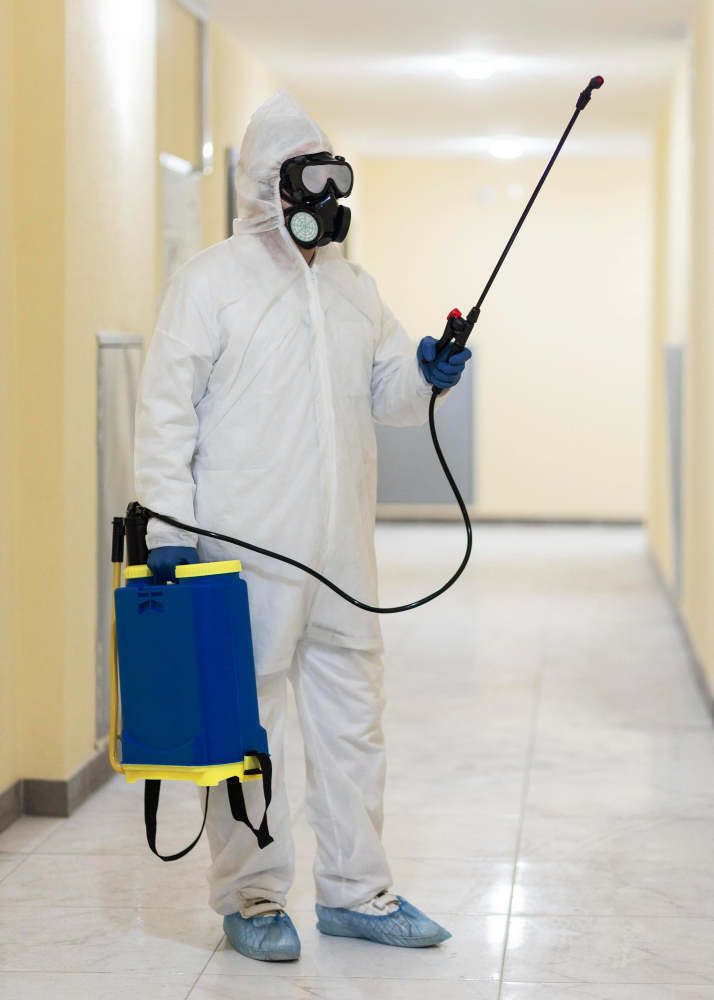


A hidden pest problem in home environments often develops quietly, causing damage and health concerns before homeowners realise what’s happening. Pests such as rodents, termites, cockroaches, and ants can remain out of sight while leaving subtle warning signs behind. This guide explains the early signs of pest problems, how hidden pests behave in household spaces, and which common household pest signs should never be ignored. By understanding these indicators and knowing when to call pest control, homeowners can address infestations early, limit property damage, and maintain a safer, healthier living space.
Why Hidden Pest Problems Are So Common
Many household pests prefer dark, undisturbed areas such as wall cavities, roof spaces, subfloors, and behind appliances. These locations allow infestations to grow undetected.
A hidden pest problem in home spaces often worsens because pests reproduce quickly and feed on materials already present, such as wood, insulation, wiring coatings, or food scraps. By the time visible signs appear, the infestation may already be established.
Unusual Noises Inside Walls or Ceilings
Scratching, scurrying, or tapping sounds—especially at night—are classic signs of pest infestation. Rodents are most active after dark and often move through roof voids and wall cavities.
These sounds should never be ignored, as rodents can damage insulation, wiring, and structural timber. Australian public health guidance highlights rodents as a risk due to contamination and disease exposure.
Droppings, Smears, or Unusual Marks
Small droppings near cupboards, behind appliances, or along wall edges are among the most obvious signs of common household pests. Smear marks along walls or skirting boards often indicate repeated pest movement.
Different pests leave different traces:
- Rodents leave dark pellet-shaped droppings
- Cockroaches leave pepper-like residue
- Termites leave fine mud traces
These indicators often indicate hidden pests in areas of the house rather than surface activity.
Persistent Strange Smells
A musty, oily, or ammonia-like smell may indicate nesting pests. Dead insects or rodents trapped in wall cavities can also cause lingering odours.
When unexplained odors persist after cleaning, they may indicate early signs of pest activity behind walls or under floors.
Damaged Wood, Paint, or Plaster
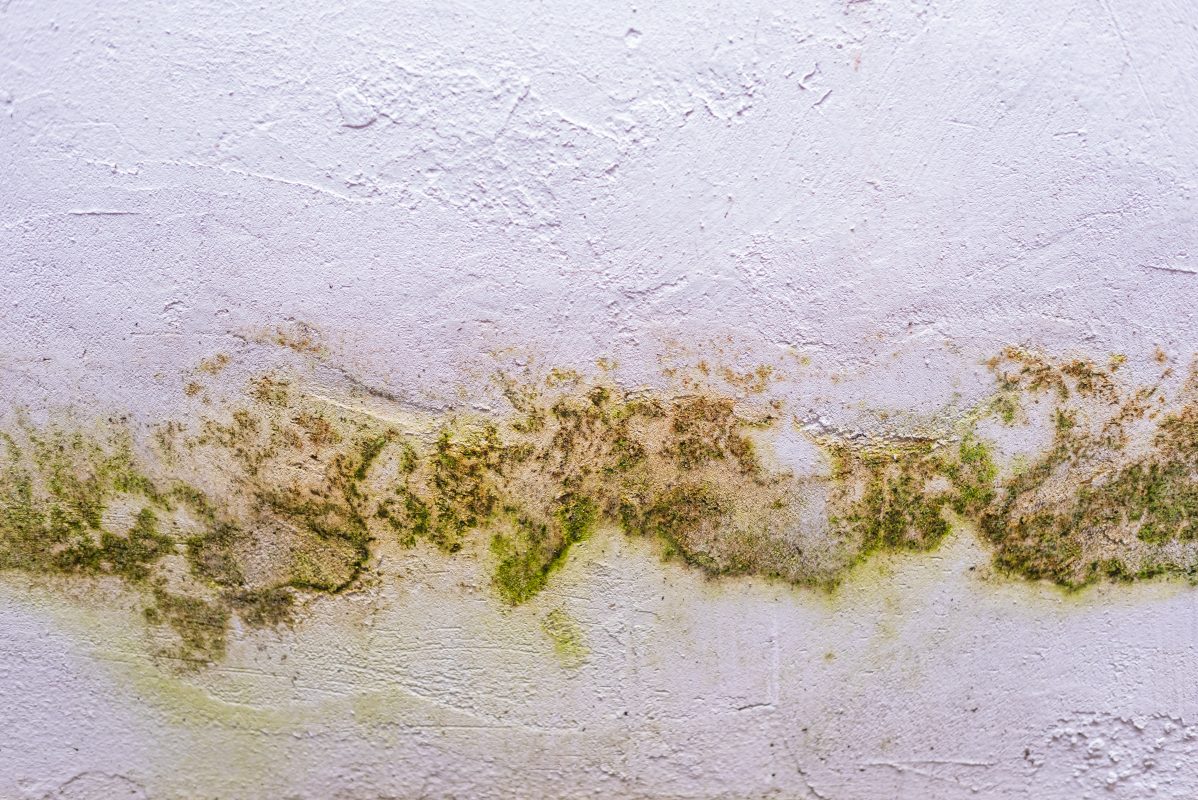
Pests often cause physical damage long before they’re seen. Bubbling paint, warped wood, hollow-sounding timber, or cracked plaster can indicate termite activity or moisture-loving pests.
Australian building guidance explains that termites often remain hidden until structural damage becomes noticeable.
This makes early inspection critical.
Increased Insect Sightings Indoors
Seeing insects during daylight—especially cockroaches or ants—can suggest overcrowding within hidden nesting areas. When pests move into visible spaces, it often indicates their colony has grown.
Repeated sightings are clear signs of pest infestation, even if the insects disappear quickly.
Chewed Wiring, Packaging, or Furniture
Rodents constantly chew to control tooth growth. Damage to wiring, furniture edges, cardboard packaging, or stored items is a serious warning sign.
Chewed electrical wiring also increases fire risk. Government safety advice notes that pest damage to wiring is a known household hazard.
Unexplained Allergy or Health Symptoms
Sneezing, skin irritation, coughing, or asthma flare-ups may result from pest droppings, shed skin, or airborne particles. These symptoms often worsen indoors and improve outdoors.
Such health effects are often linked to hidden pest infestations in homes, where contamination builds over time.
Pest Activity Around Entry Points
Small gaps around doors, windows, vents, and plumbing access points provide easy entry for pests. Increased activity near these areas may indicate pests entering and nesting inside.
Sealing entry points helps, but existing infestations still require attention.
When to Call Pest Control
Knowing when to call pest control can prevent minor issues from becoming major infestations. If signs persist, spread, or involve structural damage, professional inspection is recommended.
Professional Pest Control Services identify pest species, nesting areas, and treatment needs more accurately than DIY methods.
Why Early Action Matters
Early pest detection reduces:
- Repair costs
- Health risks
- Chemical treatment intensity
- Structural damage
Delaying action allows pests to multiply and spread deeper into the home.
Technology and Home Inspections
Some homeowners first notice pest issues during the installation or service of electronics. Unusual cable damage or roof activity may be identified during unrelated home services, such as TV or antenna work.
Final Thoughts
A hidden pest problem in home environments rarely resolves without intervention. Ignoring small warning signs often leads to larger infestations and costly repairs.
For reliable, practical solutions that address the root cause of infestations, Jason’s Pest Control offers professional inspections and targeted treatments designed to stop pests and prevent future outbreaks.
FAQs
1. What is the most common sign of hidden pests?
Unusual noises, droppings, and unexplained smells are among the earliest signs.
2. Can pests stay hidden for long periods?
Yes. Many pests live inside walls or roof spaces for months before being noticed.
3. Are hidden pests dangerous?
They can damage structures, contaminate food, and trigger health issues.
4. Should I try DIY pest treatments first?
DIY methods may help temporarily but rarely address nesting sources.
5. How often should homes be inspected for pests?
Annual inspections are recommended, especially in warmer climates.