

Understanding how weather changes affect pest activity in Australia is essential for homeowners and businesses because different weather conditions influence how insects and rodents behave. Heat, humidity, rain, and cold shifts can increase breeding, drive pests indoors, or trigger sudden infestations. This guide explains how temperature changes, seasonal patterns, and climate conditions affect common Australian pests, including ants, spiders, termites, cockroaches, and rodents. Understanding how pests respond to weather, property owners can take preventive steps to reduce risks before an outbreak occurs. These insights help you plan and protect your property year-round.
Why Weather Plays a Major Role in Pest Behaviour
Australia’s climate is highly variable, ranging from hot summers to humid coastal conditions and sudden cold periods. Pests adapt quickly to these shifts, often changing their movement patterns, nesting habits, and breeding cycles. Even a slight temperature change can influence how fast pests reproduce or how urgently they seek shelter.
For property owners, this means weather conditions can decide when pests appear, how aggressive they become, and how difficult they are to control.
Heatwaves Drive Pests Indoors
Australia is known for intense summer heat, and pests respond by searching for cooler, shaded areas. When temperatures rise:
- Ants invade kitchens for water.
- Cockroaches hide in dark, damp corners.
- Rodents move indoors for shelter.
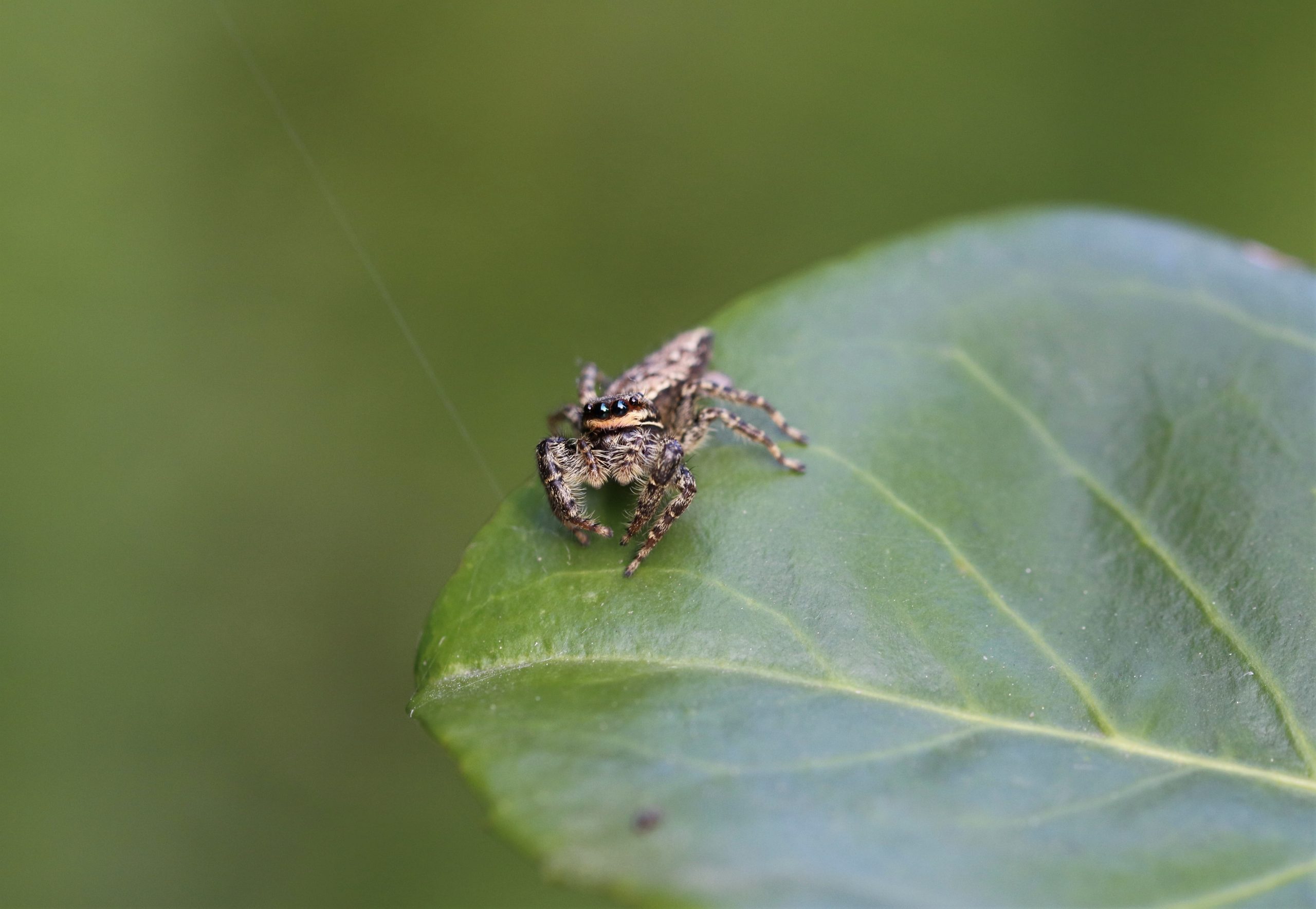
- Spiders become more visible while hunting.
High heat accelerates breeding cycles for many pests, especially cockroaches and flies. This means population spikes often follow long hot spells.
For a full list of treatments available, you can check the provider’s structured Pest Control Services
Humidity and Moisture Boost Pest Activity
Humidity is a key trigger for pest outbreaks in coastal or tropical regions. Moisture helps insects multiply and build nests faster.
Common moisture-triggered behaviours include:
- Termites are becoming more active in damp soil
- Mosquito breeding increases after rainfall.
- Cockroaches are moving toward bathrooms and kitchens.
- Silverfish are appearing in cupboards and stored boxes.
Leaking pipes, roof moisture, and poor ventilation create ideal conditions for pests to thrive.
If you use home electronics like TVs or monitors in humid areas, regular maintenance from related service providers such as Jason’s TV can also help protect devices from moisture exposure.
Rainfall and Storms Push Pests Into Houses
Heavy rain floods nests and drives pests indoors to escape rising water levels. This is especially common during storm season.
Rain often causes:
- Ants forming long indoor trails
- Rats and mice are invading roofs and walls.
- Spiders are moving indoors.
- Termite scouts are looking for new timber sources.
Extended wet seasons also soften soil, allowing termite colonies to expand more rapidly.
External guides such as Australia’s Bureau of Meteorology climate reports and CSIRO pest behaviour studies offer helpful data on weather-driven pest activity.
Cold Weather Slows Pests but Doesn’t Stop Them
Cold temperatures reduce pest movement, but they do not eliminate pests. Instead, they move deeper inside structures for warmth.
During cold months:
- Rodents become more active inside homes.
- Cockroaches hide near appliances.
- Ants retreat deeper into the walls.
- Spiders settle in garages and sheds.
Many pests enter “survival mode,” conserving energy until temperatures rise again. They stay hidden, making infestations harder to notice until spring.
Sudden Weather Changes Trigger Movement
Rapid temperature shifts confuse pests, prompting them to relocate quickly. For example:
- A sudden heatwave after rain can drive ants indoors.
- A cold snap may push rodents to find warm roofs.
- Above-average humidity activates termite feeders.
Because pests respond instantly to these conditions, unpredictable weather often leads to unpredictable infestations.
Bushfire Seasons Influence Pest Migration
Although bushfires destroy natural habitats, they also force pests to migrate into populated areas.
After a fire:
- Spiders move into sheds and garages.
- Rodents relocate toward homes.
- Ants and beetles search for new soil.
- Termites may introduce new colonies.
This migration puts properties at higher risk if preventive measures are not taken early.
Why Weather-Driven Pests Are Harder to Control
When pests respond to weather shifts, several challenges emerge:
- Larger populations due to faster breeding.
- Multiple entry points due to moisture or damage.
- Nest relocations make pests more complicated to track.
- Sudden outbreaks that appear without warning.
These conditions often require professional inspection because DIY sprays or traps may not address the root cause.
Seasonal Pest Patterns in Australia
Understanding the seasonal cycle helps property owners stay prepared.
Summer
High heat = ant trails, flies, termites, cockroaches
Humidity boosts breeding and activity levels.
Autumn
Rodents begin moving indoors
Spiders increase activity before cooler weather
Winter
Rodents gather in roof spaces
Hidden cockroach activity continues
Some pests stay dormant but remain present
Spring
Termite scouts begin exploring
Ants rebuild colonies
Pest numbers rise quickly as temperatures warm
Recognising these seasonal shifts helps reduce infestation risk by approaching the right treatments at the right time.
Weather-Proofing Your Home Reduces Pest Problems
Because weather triggers pest movement, prevention should focus on strengthening the home environment.
Key prevention strategies:
- Fixing leaks and moisture pockets
- Blocking entry points
- Removing clutter
- Storing food properly
- Improving ventilation
- Sealing wall gaps and roof openings
- Clearing garden waste and mulch from the house perimeter
Some homeowners combine these steps with regular professional inspections to stay ahead of weather-driven outbreaks.
Final Thoughts & Professional Help
Weather plays a large role in how pests behave, multiply, and invade homes across Australia. Heat, humidity, rain, storms, and cold conditions each trigger a different pattern of pest activity. Understanding how these shifts influence pests helps property owners prevent damage, maintain hygiene, and reduce health risks throughout the year.
If you’re facing sudden pest activity due to recent weather changes, or need year-round protection, contact Jason’s Pest Control for reliable support. Their team provides targeted treatments, eco-friendly solutions, and expert inspections to keep your property safe in all seasons
Explore full service options and expert help available at Jason’s Pest Control.
Frequently Asked Questions
1. Why do pests increase during hot weather?
Heat accelerates breeding and pushes pests to search for cooler indoor areas.
2. Does rain attract more pests?
Yes. Rain floods nests, drives pests indoors, and increases moisture that helps insects thrive.
3. Are winter pests less dangerous?
No. Many pests move indoors during winter, causing hidden infestations.
4. How does humidity affect pest activity?
Humidity boosts breeding for termites, cockroaches, and mosquitoes.
5. Should I schedule pest inspections during weather changes?
Yes. Inspections help detect early signs of activity during seasonal shifts.