
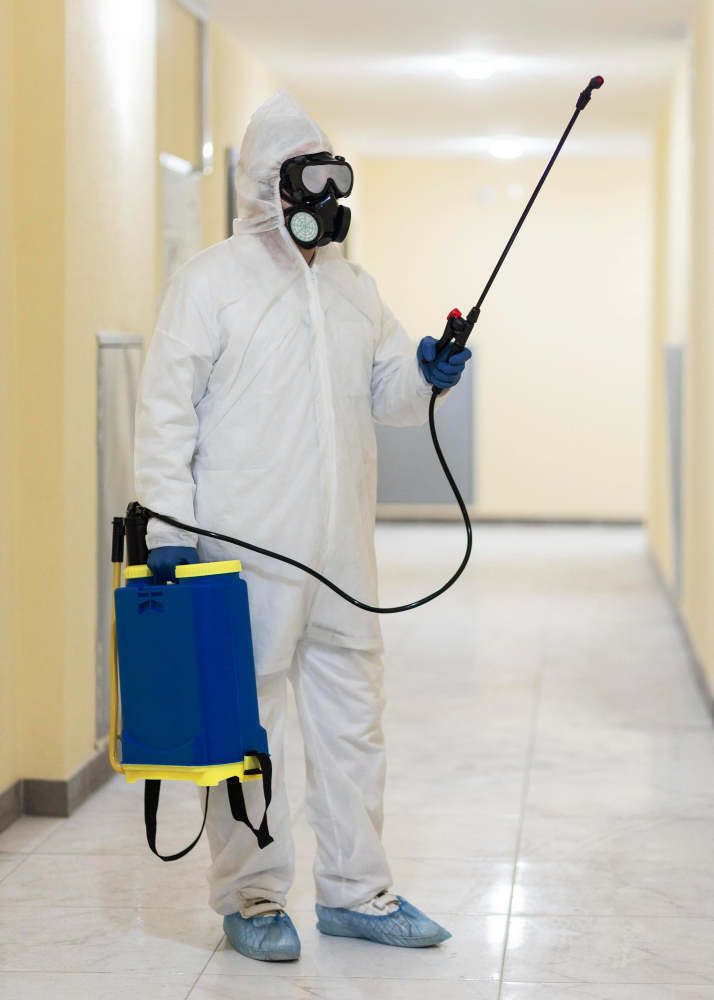

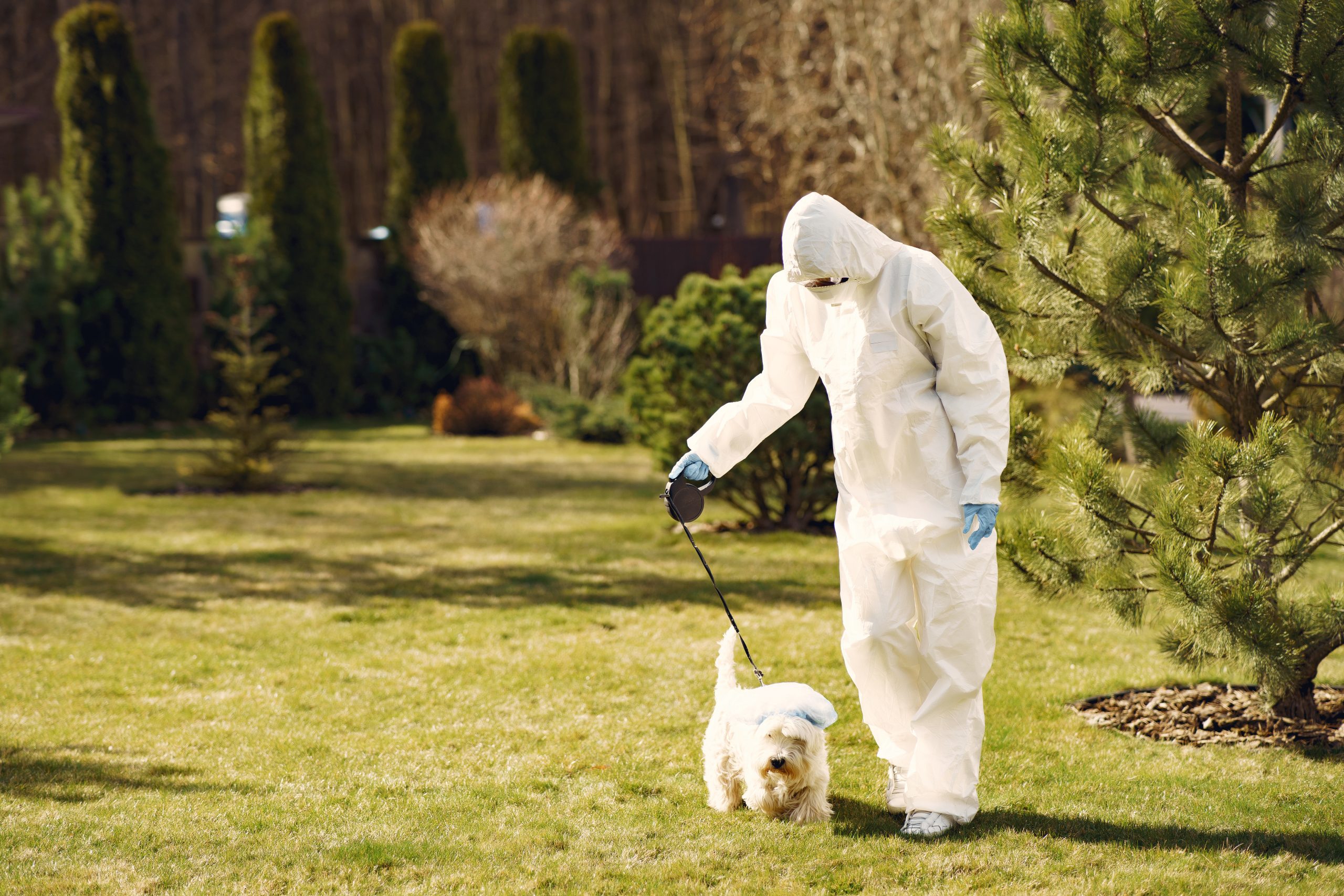
If you’ve got pets, you already know they love exploring every corner of your home — and sometimes, that’s exactly where pests like ants, fleas, or cockroaches like to hide. But here’s the tricky part: how do you get rid of pests without putting your furry friends at risk?
That’s where pet-safe pest control comes in. It’s all about using safe, smart methods that keep your pets protected while keeping unwanted bugs and rodents out of your home.
Why Regular Pesticides Can Be Risky
Traditional pest control sprays often contain strong chemicals. They work fast, but they can also be dangerous for dogs, cats, and other pets who lick, roll, or breathe near treated areas. Even a small amount of residue can cause problems like vomiting, skin irritation, or coughing.
The Australian Pesticides and Veterinary Medicines Authority warns that incorrect use of household pesticides is one of the most common causes of pet poisoning. That’s why more families are switching to pet-safe pest control — it targets pests without harming your pets or the environment.
Start with Prevention First
One of the best ways to handle pests is to stop them before they start. Prevention is 100% pet-safe and helps reduce the need for chemicals later.
Here’s what you can do:
- Seal cracks and gaps: Check around doors, windows, and walls where ants and roaches sneak in.
- Keep things clean: Regularly vacuum carpets and mop floors, especially around pet feeding areas.
- Store food properly: Keep both human and pet food in sealed containers.
- Fix leaks and standing water: Damp areas attract mosquitoes and cockroaches.
Small changes like these go a long way toward keeping pests away naturally.
Pet-Safe and Natural Pest Control Options
You don’t always need harsh chemicals to deal with pests. There are plenty of non-toxic pest control solutions that are safe for pets and still get the job done.
Here are a few easy ones:
- Diatomaceous earth: This fine, natural powder kills pests like ants, fleas, and bed bugs by drying them out. Just make sure to use food-grade DE — it’s completely safe for pets.
- Vinegar spray: Mix equal parts water and vinegar to deter ants and spiders. You can also add a bit of lemon juice for a fresher scent.
- Baking soda and sugar mix: Works great for ants. The sugar attracts them, and the baking soda keeps them from coming back.
- Soap and water mix: A few drops of dish soap in water can be sprayed on small insects like flies and gnats.
All of these are simple, low-cost, and pet-safe ways to reduce pests around the house.
For a detailed list of low-toxicity pest options, you can refer to the National Pesticide Information Center, which provides pet-friendly safety guides.
Be Careful with “Natural” Products
Just because something says natural doesn’t always mean it’s safe for pets. Some essential oils — like peppermint, tea tree, or eucalyptus — can actually make your dog or cat sick if they’re inhaled or licked.
When you try any new product, read the label and make sure it’s approved for pet households. If you’re unsure, go for trusted pet-safe pest control brands or ask your vet for advice.
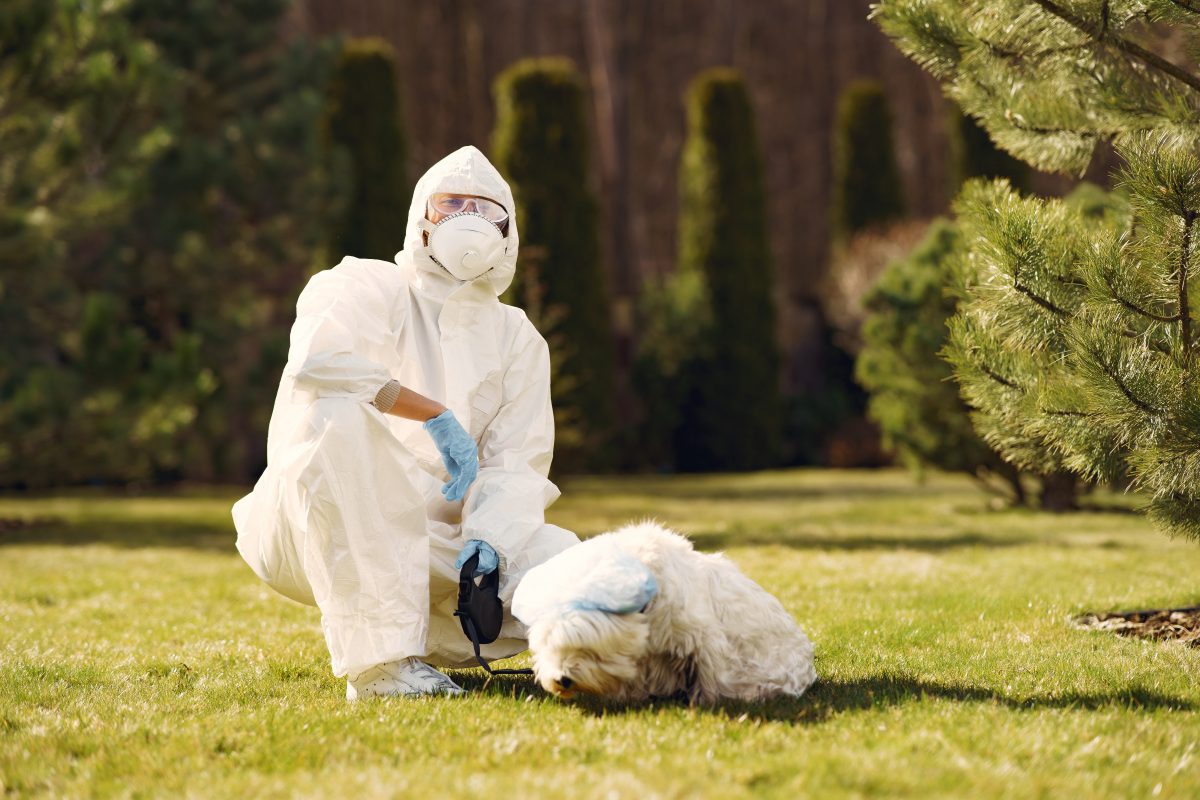
What to Do During and After Treatments
Even when using pet-safe pest control, it’s smart to take a few safety steps:
- Move your pets (and their bowls, bedding, and toys) out of the treated area.
- Ventilate by opening windows or using fans.
- Wait until the area is completely dry before letting your pets back in.
- Wash your hands and clean up spills right away.
If you’re treating your yard, keep pets off the grass for a few hours so they don’t accidentally ingest anything.
Signs Your Pet Might Have Been Exposed
It’s rare, but if your pet does come into contact with pest control chemicals, it’s important to act quickly. Watch for symptoms like:
- Drooling or vomiting
- Red or itchy skin
- Trembling or tiredness
- Coughing or trouble breathing
If you notice these signs, contact your vet immediately. You can also report pesticide-related pet issues to the APVMA Adverse Experience Reporting Program — it helps track and prevent future cases.
When It’s Time to Call a Professional
Some pest problems, like termites or rodent infestations, are too tough to tackle alone. That doesn’t mean you have to risk your pet’s safety. Look for professional services that specialise in low-toxicity pest management or natural pest control methods.
These experts know how to target pests effectively while keeping your pets and home environment safe. Always ask what products they use and whether they’re approved for pet-friendly spaces.
Keeping Your Home Safe and Pest-Free
At the end of the day, pet-safe pest control isn’t just about avoiding chemicals — it’s about creating a healthier home for everyone.
By combining prevention, natural solutions, and safe habits, you can stop pests before they become a problem and still keep your pets happy and healthy. It’s possible to have both — a pest-free home and a safe space for your four-legged family members.